
The European Union has reported a record 1,715 locally acquired West Nile virus (WNV) infections in 2026.
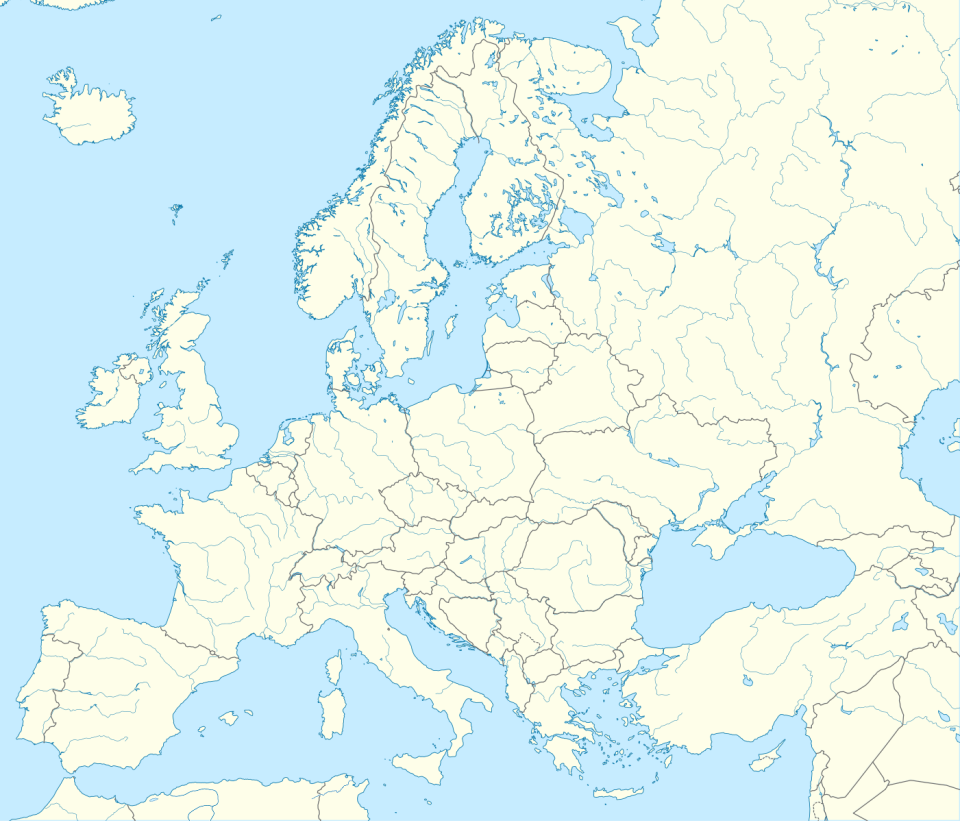
As of 7 October 2026, Italy was the most affected country, with 748 reported cases, followed by Greece and France, which have both recorded their highest numbers to date. The virus is also spreading into new areas further north. The Netherlands has reported 59 human cases, while Belgium has recorded 15, its first locally acquired human infections ever.
Despite the record number of cases, there is currently no indication of increased disease severity. The proportions of patients hospitalised, developing neurological symptoms or dying remain below the levels observed over the previous decade. A total of 130 deaths have been reported so far this season.
A One Health approach to prevention
WNV circulates primarily between mosquitoes and birds, but can also cause disease in humans and horses. Its expansion into new geographical areas highlights the importance of a One Health approach, bringing together public health, veterinary and environmental authorities to strengthen surveillance and coordinate prevention efforts.
People living in or travelling to affected areas are also encouraged to protect themselves against mosquito bites by using repellents, wearing long clothing and using window screens or mosquito nets. Older adults and people with weakened immune systems should take particular care, as they are at greater risk of severe illness.

